Strengthening Tokelau’s climate services capability
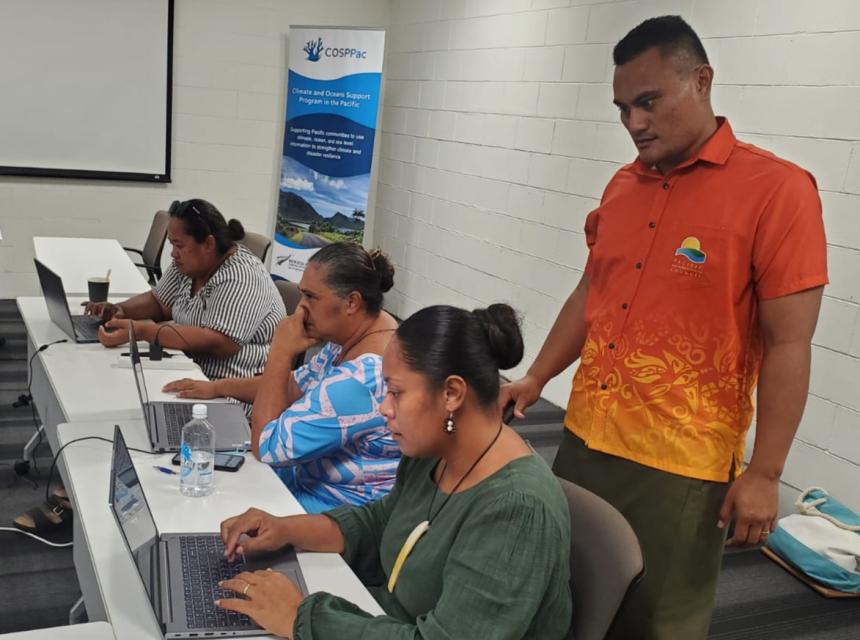
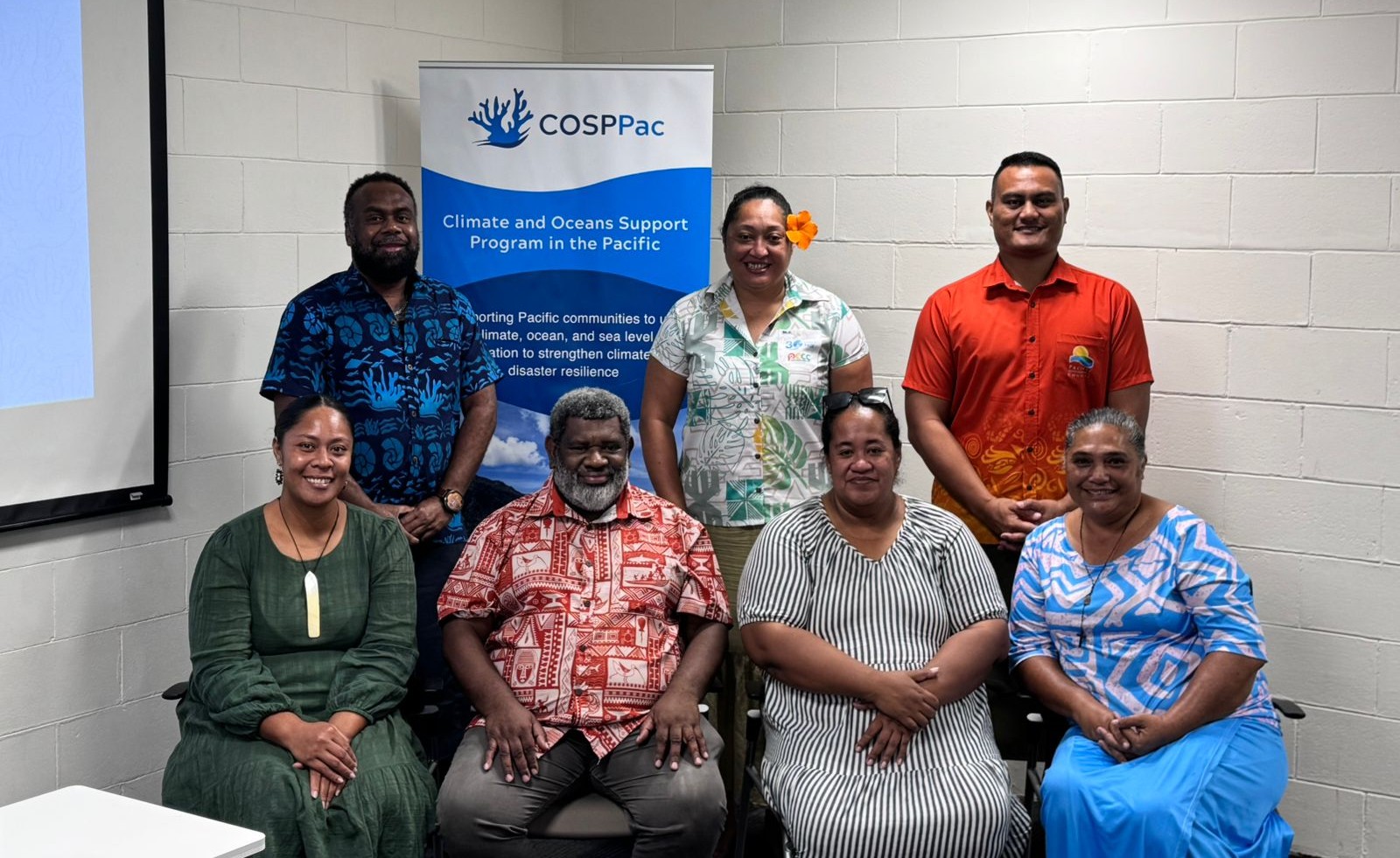
23 March 2026, Apia - The Secretariat of the Pacific Regional Environment Programme (SPREP), through the Climate and Oceans Support Program in the Pacific (COSPPac), recently hosted a two-day training for three staff members from the Tokelau National Meteorological and Hydrological Service (NMHS), aimed at improving their national climate services.
Held at the SPREP headquarters in Apia from 18–19 March 2026, the training brought together Meteorological Officers from the Tokelau Met Service and regional experts within SPREP’s Climate Science and Information (CSI) programme to build technical capacity in seasonal climate prediction and the use of specialised tools and products under the COSPPac programme.
Director of SPREP’s CSI Programme, Mr. Salesa Nihmei, said the training reflects SPREP’s continued commitment to support Pacific meteorological services and to ensure all NMHS benefit from COSPPac project.
“This training is part of SPREP’s ongoing commitment to strengthening the capacity of Pacific Meteorological Services,” he said
“By equipping our partners in Tokelau with the tools, knowledge and skills needed for climate prediction and services, we are supporting more informed decision-making and building resilience for communities across the region."
The Tokelau Met Service is a relatively new institution that plays a critical role in providing weather, climate, and ocean advisory services to its communities. With forecasting support currently supplemented by regional partners such as the Samoa Meteorological Service and the Regional Specialized Meteorological Centre (RSMC) in Nadi, the training marked an important step toward strengthening Tokelau’s in-country capabilities.
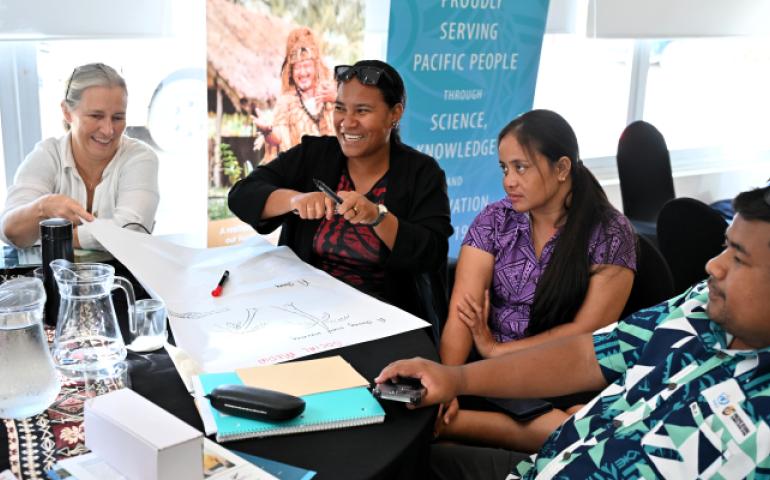
The training focused on a range of key areas, including climate variability and extreme events in the southwest Pacific, seasonal climate prediction, and the integration of climate services into national development planning. Participants also received hands-on training in the use of COSPPac tools such as SCOPIC and ACCESS-S, which support the development of tailored climate outlooks.
Sessions covered both theoretical and practical components. These included introductions to Pacific climate drivers, the Ocean and Climate Outlook Forum (OCOF) process, and the Early Action Rainfall Watch bulletin. Participants also explored the role of traditional knowledge in climate science, reinforcing the importance of combining scientific and indigenous approaches in building climate resilience.
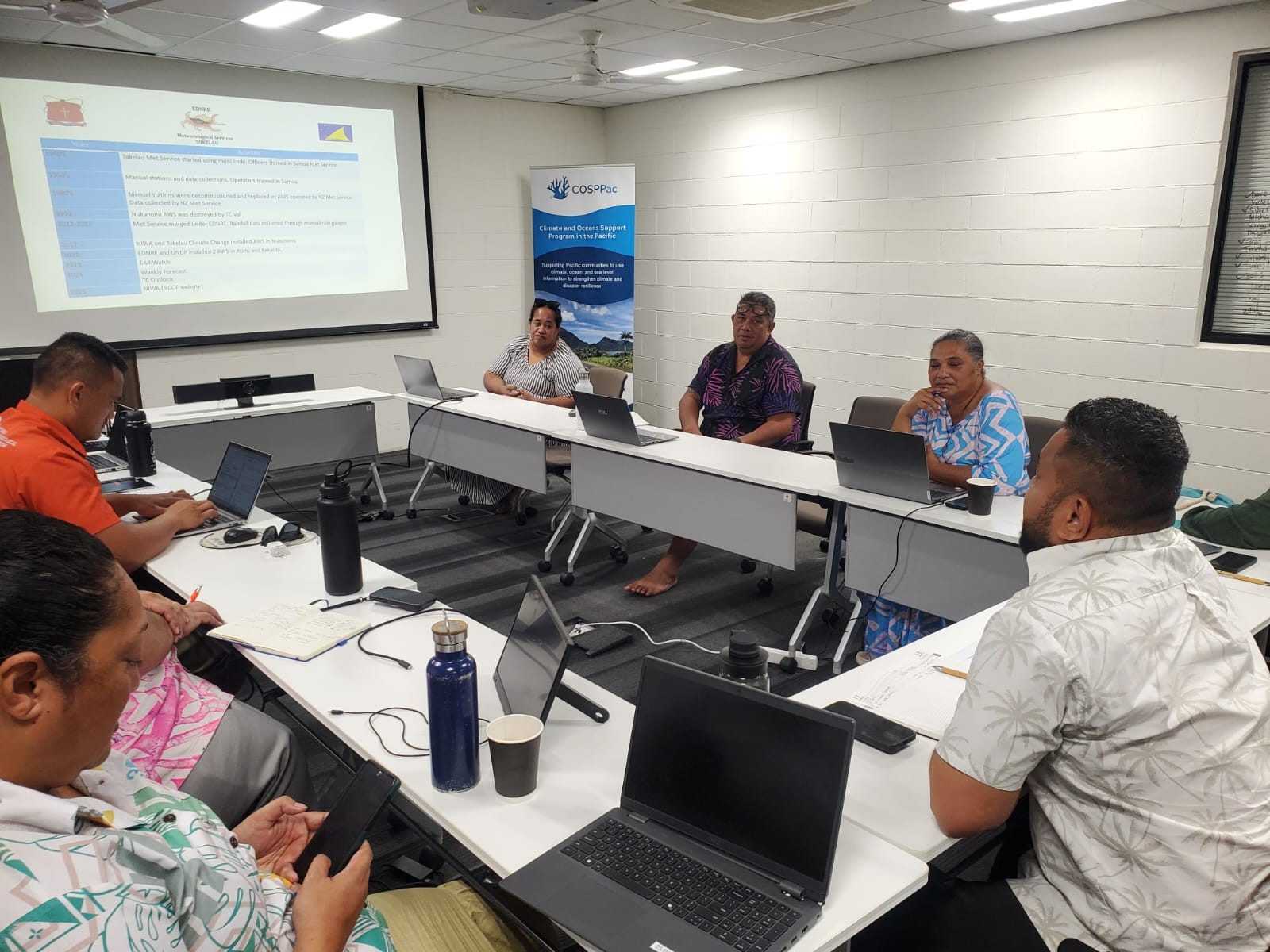
A pre-training survey identified minimal knowledge of Pacific climate drivers such as the El Niño-Southern Oscillation, South Pacific Convergence Zone and Intertropical Convergence Zone. They had minimal understanding of the different platforms, products, and models for seasonal predictions and forecasting.
The survey also revealed little understanding of the importance of, and connection between, traditional knowledge and climate, and the traditional knowledge support that is available under the COSPPac programme.
Upon completion of the training, a post-training survey showed a marked improvement and increase in their understanding and knowledge around these aspects.
Ms Mile Fonua, Manager of Tokelau’s Met Service, welcomed the training and highlighted its value to their team.
“This training will greatly benefit our capacity building and expand our knowledge of different types of models that will help enhance our work every day,” she said.
“Traditional knowledge also plays an important role, and this is something we were not fully aware of before. Its importance in helping us predict and monitor our weather back home is significant. Overall, this is exactly the kind of training and knowledge we have been looking forward to and truly need,” she added.
As one of the priority countries under COSPPac Phase 3, Tokelau’s participation reflects a broader regional effort to ensure all Pacific Island nations are equipped with the tools and knowledge needed to respond to climate variability and change.
SPREP continues to work closely with national meteorological services and partners across the Pacific to strengthen climate services, support informed decision-making, and enhance community resilience in the face of increasing climate risks.
For more information, please contact Mr. Philip Malsale, COSPPac Senior Climatologist, at [email protected].
- Log in to post comments