  • Vanuatu VanKIRAP SPREP Sunny Seuseu VMGD
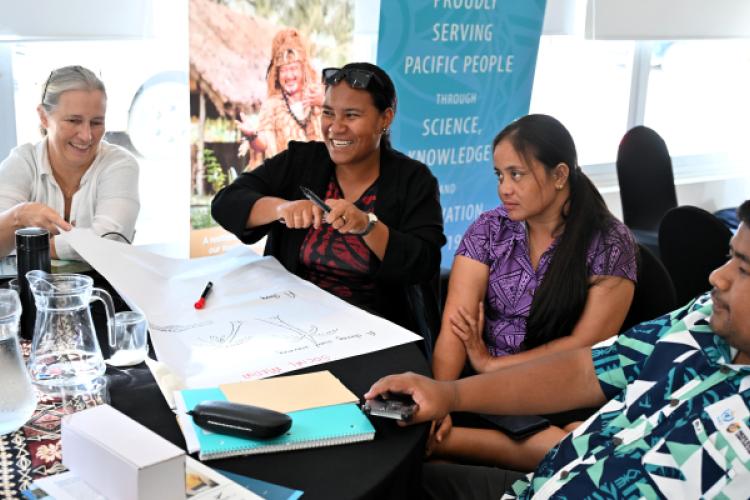
    From Sky to Soil: How Vanuatu is Rewriting the Rules of Climate Resilience

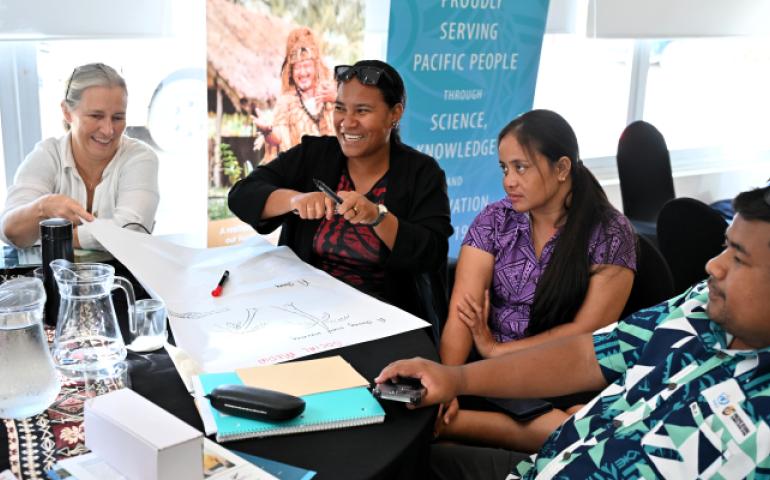
    For the people of Vanuatu, a changing climate is not a distant theory. It is a daily reality. Ranked as the world's most at-risk nation for natural disasters, this Pacific archipelago faces an existential threat from intensifying cyclones, rising seas, and unpredictable rainfall. And for five years, one project set out to prove that while the islands are vulnerable, they are far from helpless.

  • Dr. Shilpa Lal delivering training at IT scripting training in Tonga_ClimSA EU
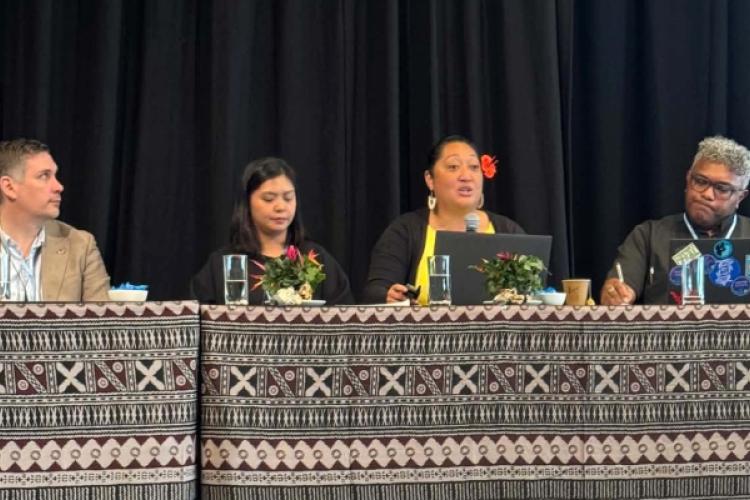
    ClimSA Pacific Expands Coding Capacity Training to Polynesia with Tonga Workshop

    A five-day workshop in Python programming for climate data analysis is underway this week in Nukuʿalofa, bringing together National Meteorological and Hydrological Services (NMHS) staff from across Polynesia through the funding support of the European Union’s Climate Services and Related Applications Programme in the Pacific (ClimSA).

  • Kiribati fisherman
    Not All Bad News: SPREP highlights potential benefits of El Niño for some Pacific island countries

    While El Niño is often associated with drought and extreme prolonged dry conditions for the western Pacific and wetter than normal conditions in the central and easter Pacific, experts from the Secretariat of the Pacific Regional Environment Programme (SPREP) say the naturally-occurring climate phenomenon can also bring opportunities for some Pacific Island countries.

  • Bouchard Solomona
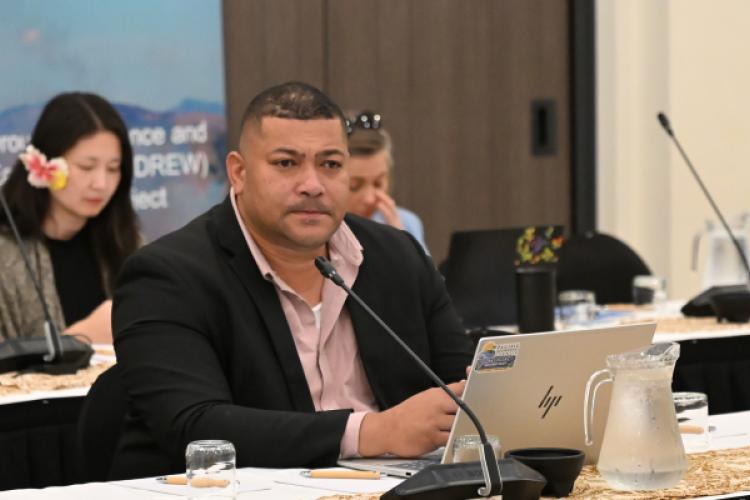
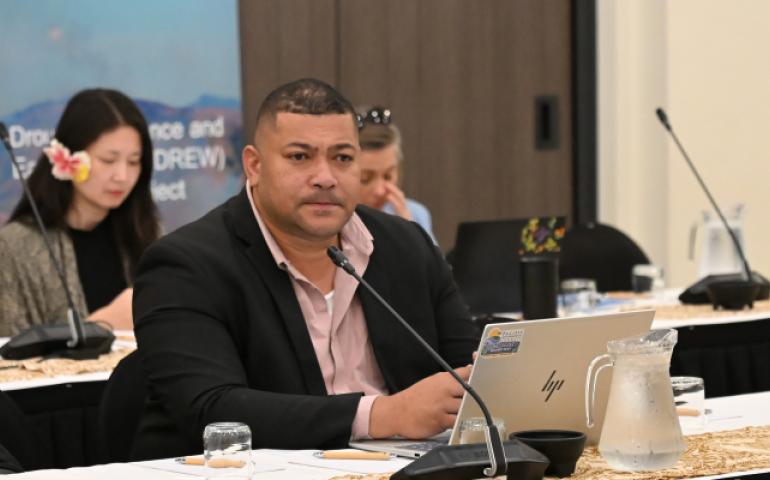
    From Science Student to Climate Professional: Meet Bouchard Solomona

    For Bouchard Solomona, a career in climate science began almost as soon as he left the classroom.

    Joining the Cook Islands Meteorological Service (CIMS) straight out of school, Bouchard has spent the past nine years serving the people of the Cook Islands, helping to monitor and understand the climate and weather patterns that affect communities across the country.

    “I love science,” he says. “I took a lot of science subjects in school, so it felt like a natural fit. It’s been good so far.”

  • Observers in Kiribati Met Service
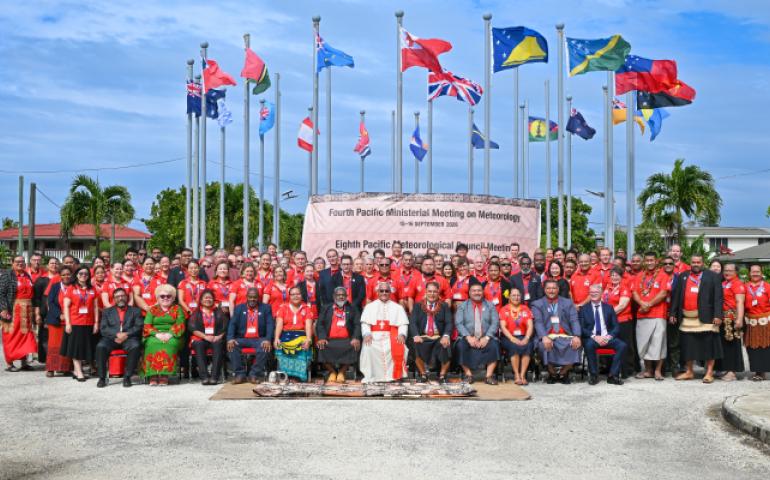
    El Niño conditions confirmed: SPREP urges coordinated regional response

    El Niño conditions have now been established in the Pacific. Sea Surface Temperature (SST) and Southern Oscillation Index (SOI) values have met the established thresholds required to formally declare El Niño conditions.

    El Niño is a natural climate pattern that occurs when sea surface temperatures in the central and eastern Pacific Ocean become warmer than usual. This changes rainfall and wind patterns across the region. El Niño events usually occur every two to seven years and can last from several months to more than a year.