Tonga Met Raises the Bar on Aviation Supporting Safe Skies and Stronger Tourism
NUKU'ALOFA, TONGA — When visitors fly into Tonga's azure waters for whale watching in Vava'u, island-hopping across Ha'apai or diving the reefs of 'Eua, they rely on aviation systems that depend on accurate, certified weather information. Now, the Tonga Meteorological Service (TMS) is investing in the people and systems that keep those services and the economy running safely.
In 2024, Tonga welcomed approximately 62,868 international arrivals by air, contributing around US$105 million to the local economy. Tourism contributes around 11% of Tonga’s GDP and supports approximately 9% of total employment, amounting to around 4,000 jobs across the Kingdom.
With New Zealand, Australia and the United States together accounting for over 83% of total inbound travel, virtually every visitor arrives by air, making aviation safety and the meteorological services underpinning it a direct economic lifeline.
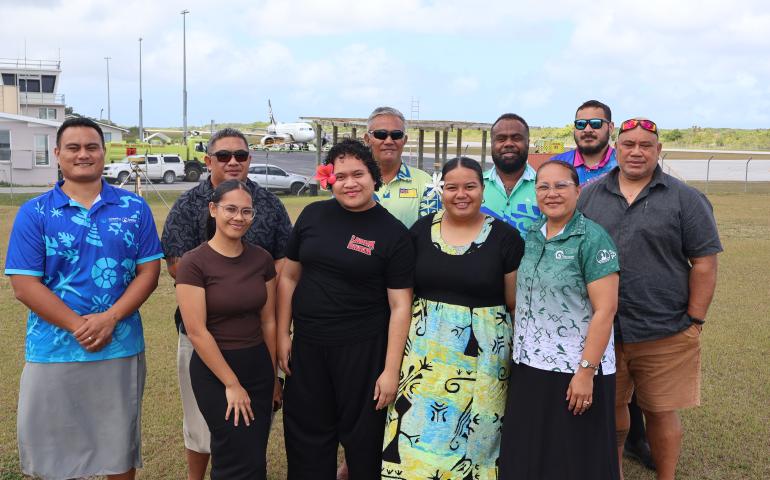
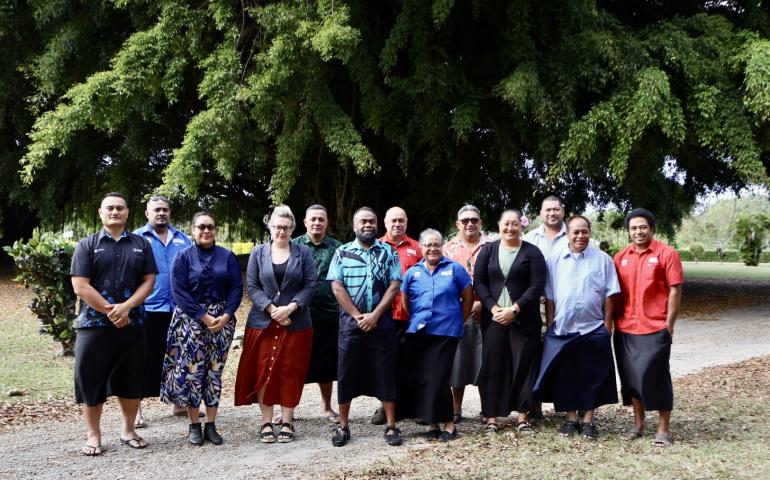
To protect and grow that lifeline, TMS under the Ministry of Meteorology, Energy, Information, Disaster Management, Environment, Climate Change, Communications and CERTs (MEIDECCC), has trained its first cohort of in-house auditors under an Internal Auditor Certification programme delivered in partnership with Tonga-based firm Quality Solutions. Two training sessions were conducted in March 2026, certifying TMS staff in internal auditing aligned with ISO 19011 guidelines.
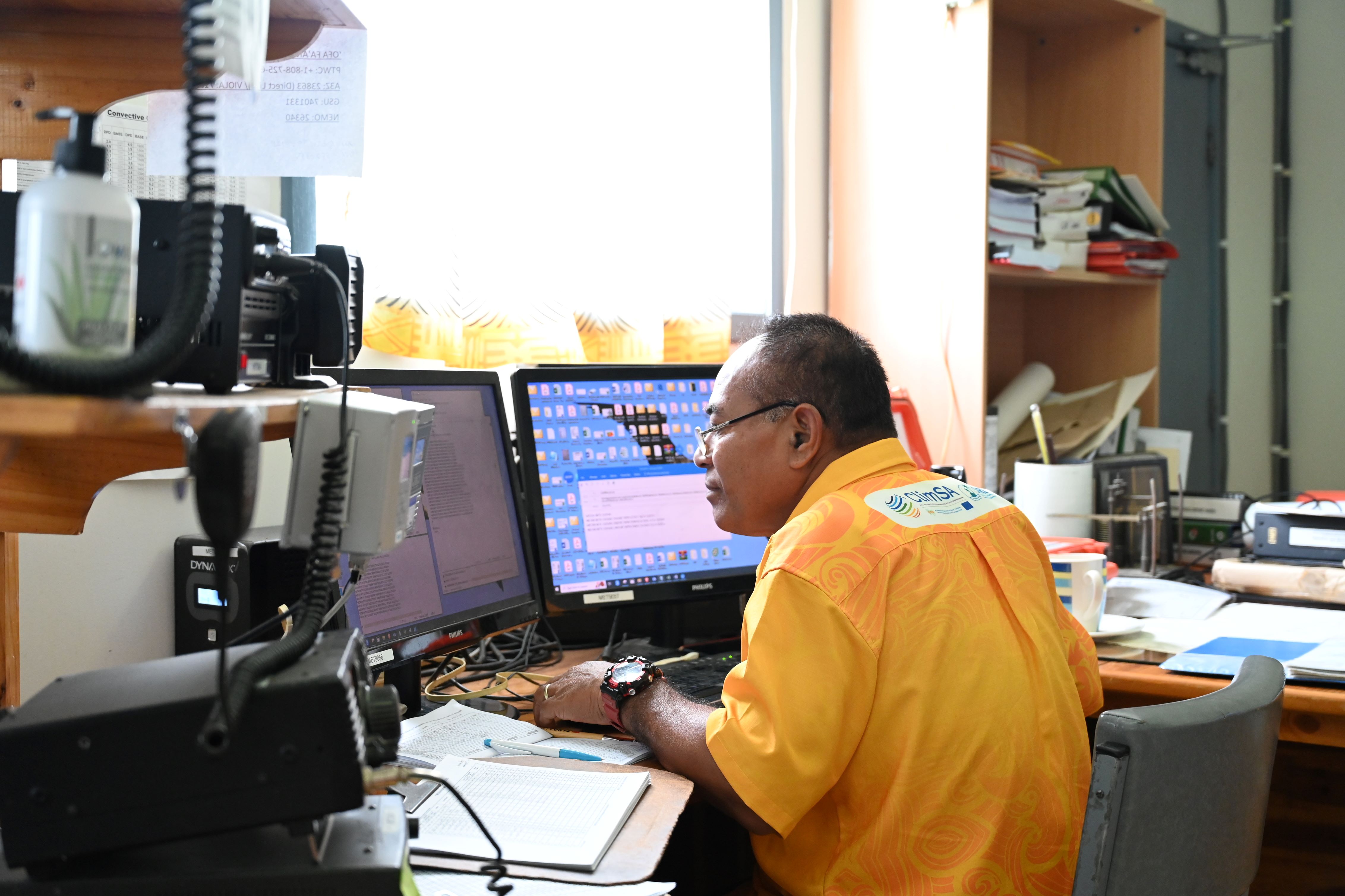
"Climate services are invisible infrastructure," said Mr. Laitia Fifita, Director for TMS. "But they underpin every flight that brings a visitor to our shores, every charter vessel heading out to whale watching grounds, and every decision a pilot makes before take-off."
The training is a critical step toward Part 174 certification — the civil aviation compliance standard governing aeronautical meteorological services — and supports TMS's broader compliance with requirements from the International Civil Aviation Organisation (ICAO), the World Meteorological Organisation (WMO), and the International Maritime Organisation (IMO).
By building internal auditing skills, TMS staff can now review their own operational processes, identify gaps, and ensure the consistency and reliability that international aviation standards demand. This matters not only for safety compliance, but for Tonga's reputation as a destination — where the average international visitor spends US$1,669 per trip over an average nine-night stay.
The programme is part of TMS's wider Quality Management System (QMS) development, aligned with ISO 9001:2015 and supported through the European Union-funded Intra-ACP ClimSA Programme, implemented in the Pacific by SPREP. The QMS initiative, valued at USD$679,500, was launched in February 2026 and covers eleven national activities aligned with the TMS Strategic Development Framework 2023–2027.
TMS has acknowledged the continued support from SPREP through the ClimSA project and remains committed to delivering services that protect lives, enable safe aviation, and support the communities and industries that drive Tonga's future.
ENDS
About ClimSA Pacific:
The Climate Services and Related Applications (ClimSA) Programme in the Pacific is a transformative initiative funded by the European Union and implemented by SPREP in partnership with the ACP Secretariat. ClimSA Pacific aims to strengthen climate information services, enhance early warning systems, and empower decision-making across key sectors through tailored, actionable climate
products. By supporting National Meteorological and Hydrological Services (NMHSs) and regional coordination, ClimSA Pacific is building a more resilient and climate-informed Pacific community.
- Log in to post comments