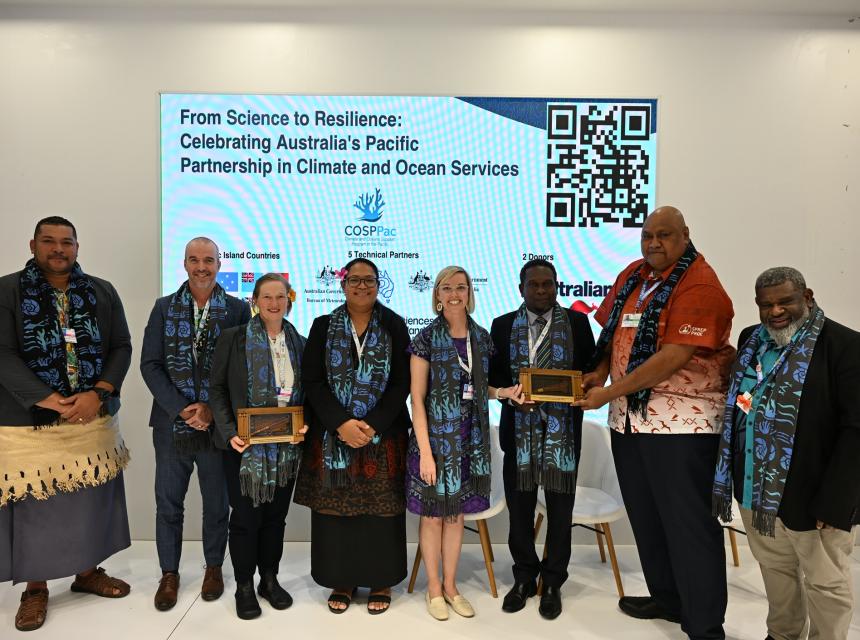
From Science to Resilience: Australia and the Pacific celebrate over three decades of partnership in climate and ocean services at COP31
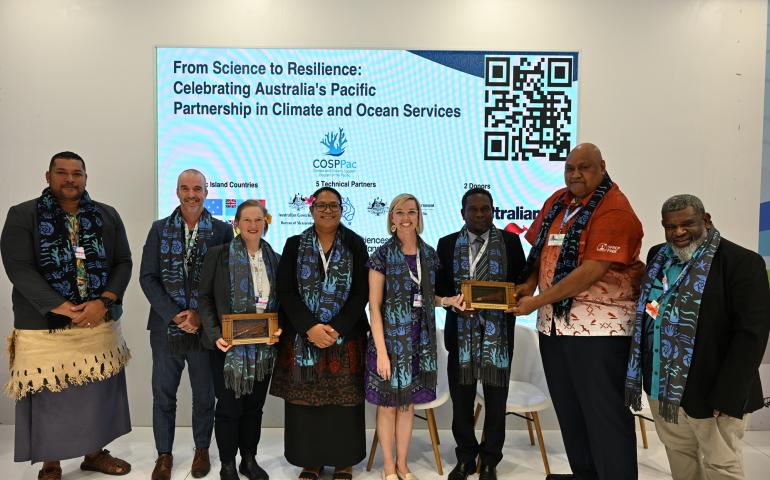
Antalya, Türkiye, 10 November 2026 – More than three decades of partnership between Australia and the Pacific took centre stage at the United Nations Framework Convention on Climate Change (UNFCCC) 31st Conference of the Parties (COP31) this week, as Ministers, Pacific Meteorological Services and regional partners gathered at the Moana Blue Pacific Pavilion to celebrate how climate and ocean science has translated into locally led services that protect lives and livelihoods across the region.
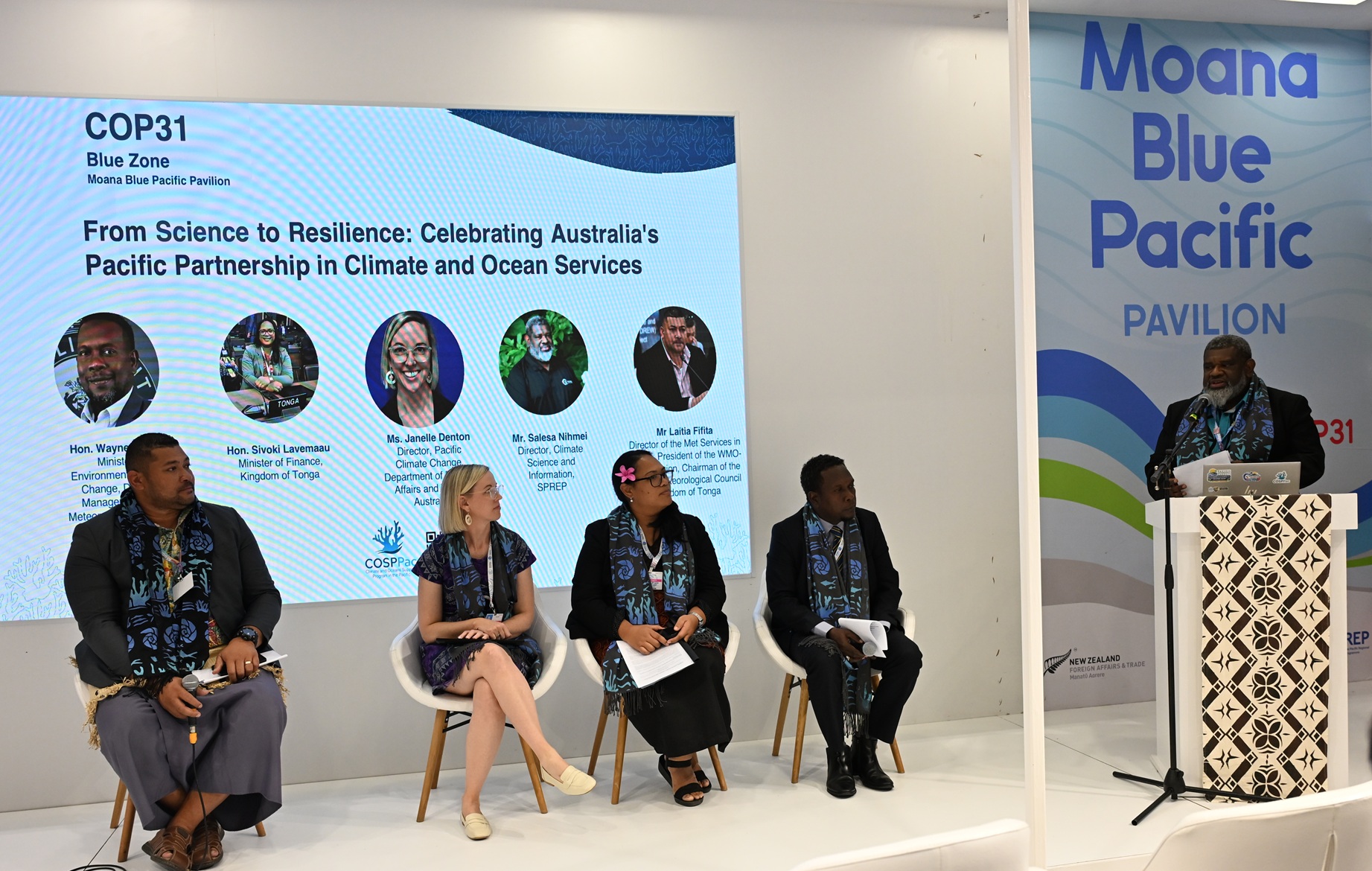
The high-level side event, “From Science to Resilience: Celebrating Australia’s Pacific Partnership in Climate and Ocean Services”, placed the Climate and Ocean Support Program in the Pacific (COSPPac) at the heart of a story of sustained investment, regional cooperation and Pacific leadership. Over the years, the programme has helped strengthen early warning systems, expand climate and ocean services, and equip governments, sectors and communities with the information they need to make informed decisions.
The foundations of this partnership were laid in 1989 at the Pacific Islands Forum Leaders Meeting in Kiribati, when Australian Prime Minister Bob Hawke responded to a request from Pacific Leaders for Australia to establish a network of monitoring stations to measure sea levels and selected atmospheric parameters. At the time, he also reaffirmed Australia's long-term commitment to supporting the Pacific. Thirty-seven years later, that commitment continues to underpin regional cooperation in climate and ocean services.
Today, the Secretariat of the Pacific Regional Environment Programme (SPREP) and the Pacific Community (SPC), alongside the Australian Bureau of Meteorology (BoM), Earth Sciences New Zealand (ESNZ) and Geoscience Australia (GA), are key implementing partners of COSPPac. Together, they support National Meteorological and Hydrological Services to strengthen climate and ocean monitoring, forecasting, data collection, technical capacity and the delivery of climate information services. Supported by funding from Australia and New Zealand under its third phase, COSPPac continues to help Pacific countries improve disaster preparedness, strengthen early warning systems and build resilience to climate-related risks through better access to reliable climate and ocean information.
Through Pacific voices, national examples and a short impact video, the event demonstrated how climate and ocean services, Traditional Knowledge, regional cooperation and sustained investment in the last 30 years has built the regional and national capability to deliver practical solutions today. These range from seasonal climate outlooks that guide planning, to ocean and tide information that supports coastal communities, sectoral applications and early warnings that reach people before hazards strike.
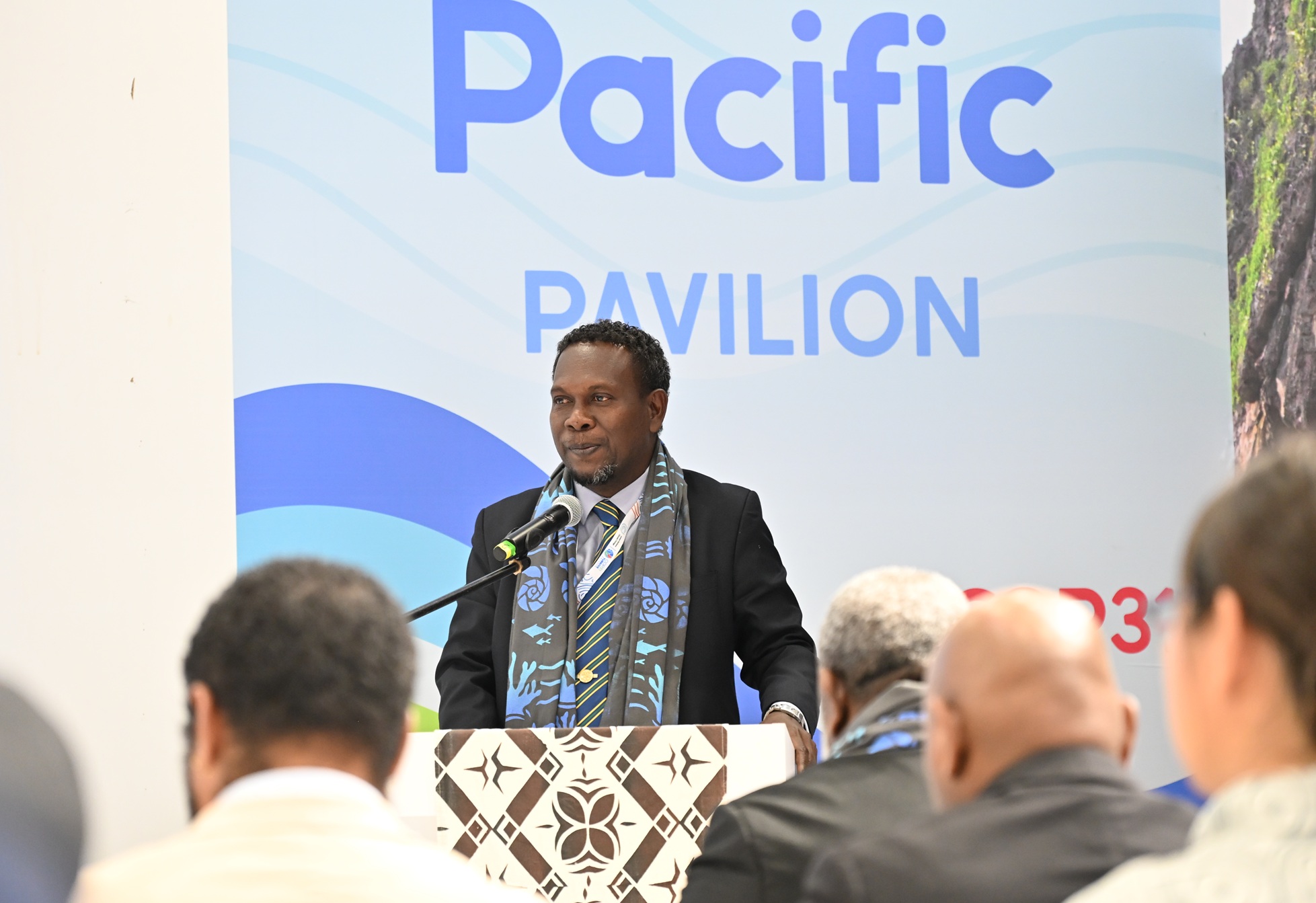
Hon. Minister Wayne Ghemu, Solomon Islands Minister of Environment, Climate Change, Disaster Management and Meteorology, highlighted what this investment means on the ground, both for his country and the wider Pacific region:
“Through COSPPac, regional and national capabilities in climate and ocean monitoring, forecasting and services have grown over more than 30 years. This is a substantial legacy. It reflects the commitment in funding by Australia and support of the Australian Bureau of Meteorology, Geoscience Australia, Earth Sciences New Zealand, SPC, SPREP and Pacific Meteorological Services, working together over many years.”
He also highlighted the value of connecting climate information to other sectors, sharing the example of MalaClim, an initiative that demonstrates how climate services can directly support public health.
“For me, one of the most meaningful examples is MalaClim. Launched in 2014 as a pilot by COSPPac and the Solomon Islands Meteorological Service, with our National Vector-Borne Disease Control Program, it uses cumulative rainfall to identify periods when malaria risk may be elevated. That information helps health authorities prepare and respond. It shows what becomes possible when climate services are connected to the needs of other sectors. The forecast is not an end in itself; it can help protect people’s health.”
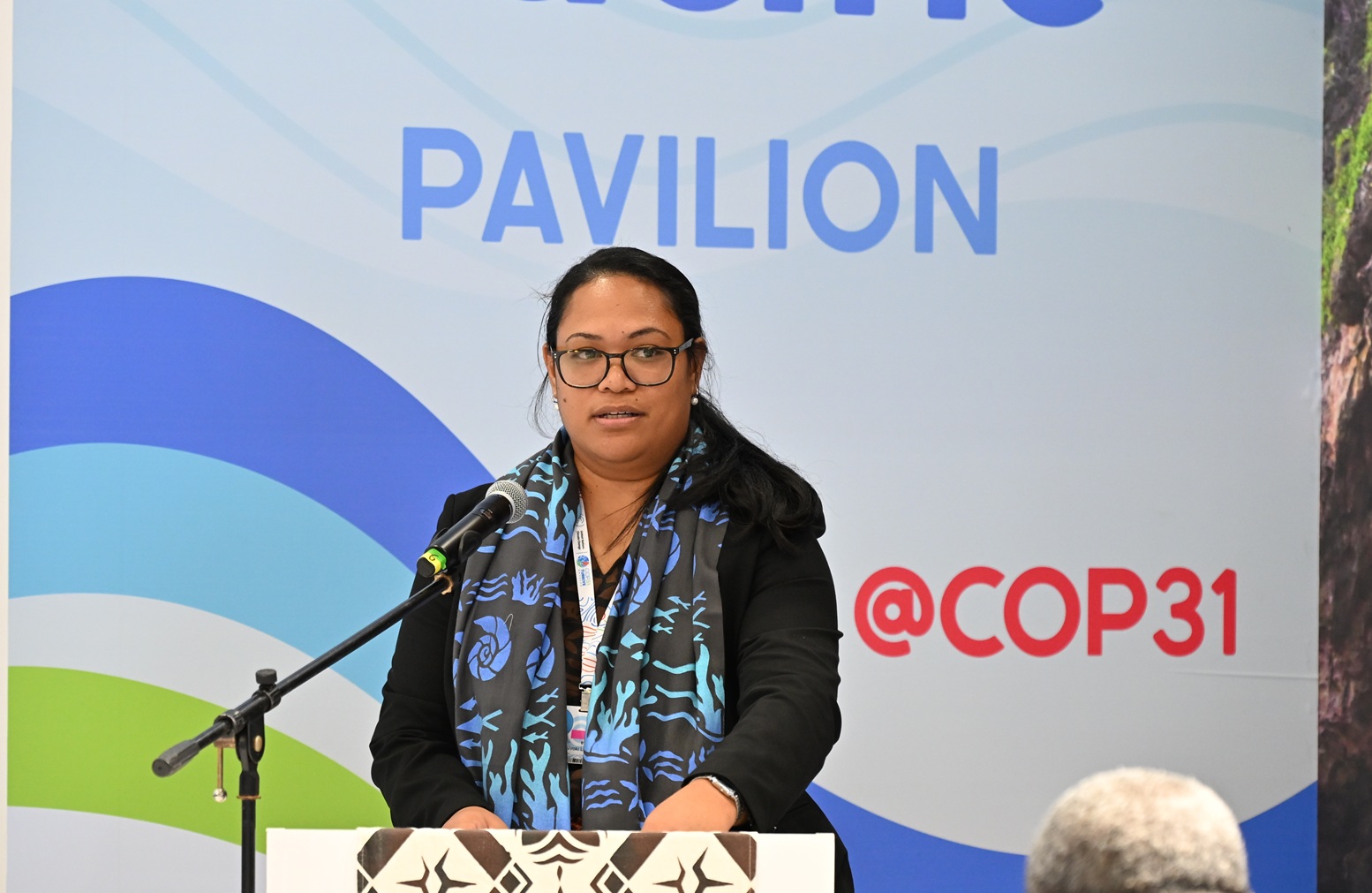
Hon. Vika Sivoki Lavemaau, Minister for Finance of the Kingdom of Tonga, commended the programme's development and implementing partners, highlighting how COSPPac's benefits are also evident in the practical ways communities and businesses use ocean information. She pointed to the Pacific Tides app as an example of accessible information supporting everyday decision-making.
“In Tonga, fishermen and whale-watching operators can use it to plan their activities around tides and sea conditions. For a small island country, this kind of accessible service supports safety, livelihoods and local business.”
She also recognised the programme's contribution to strengthening national technical expertise and the ability of meteorological services to provide relevant information to decision-makers and the public.
“Tonga’s meteorologists and technical staff have strengthened their ability to interpret climate and ocean information, prepare tailored advisories, engage with users and work across agencies. This capacity helps our Service contribute to sectoral planning and gives government ministries a stronger evidence base for decisions,” said Hon. Lavemaau.
One practical example of this is Tonga’s use of parametric drought insurance, which uses agreed rainfall thresholds to trigger financial payouts and support early preparedness before drought conditions worsen. In 2026, this mechanism was activated to support drought preparedness in the Niuas and other parts of Tonga. Reliable climate monitoring and information are essential to informing these kinds of decisions.
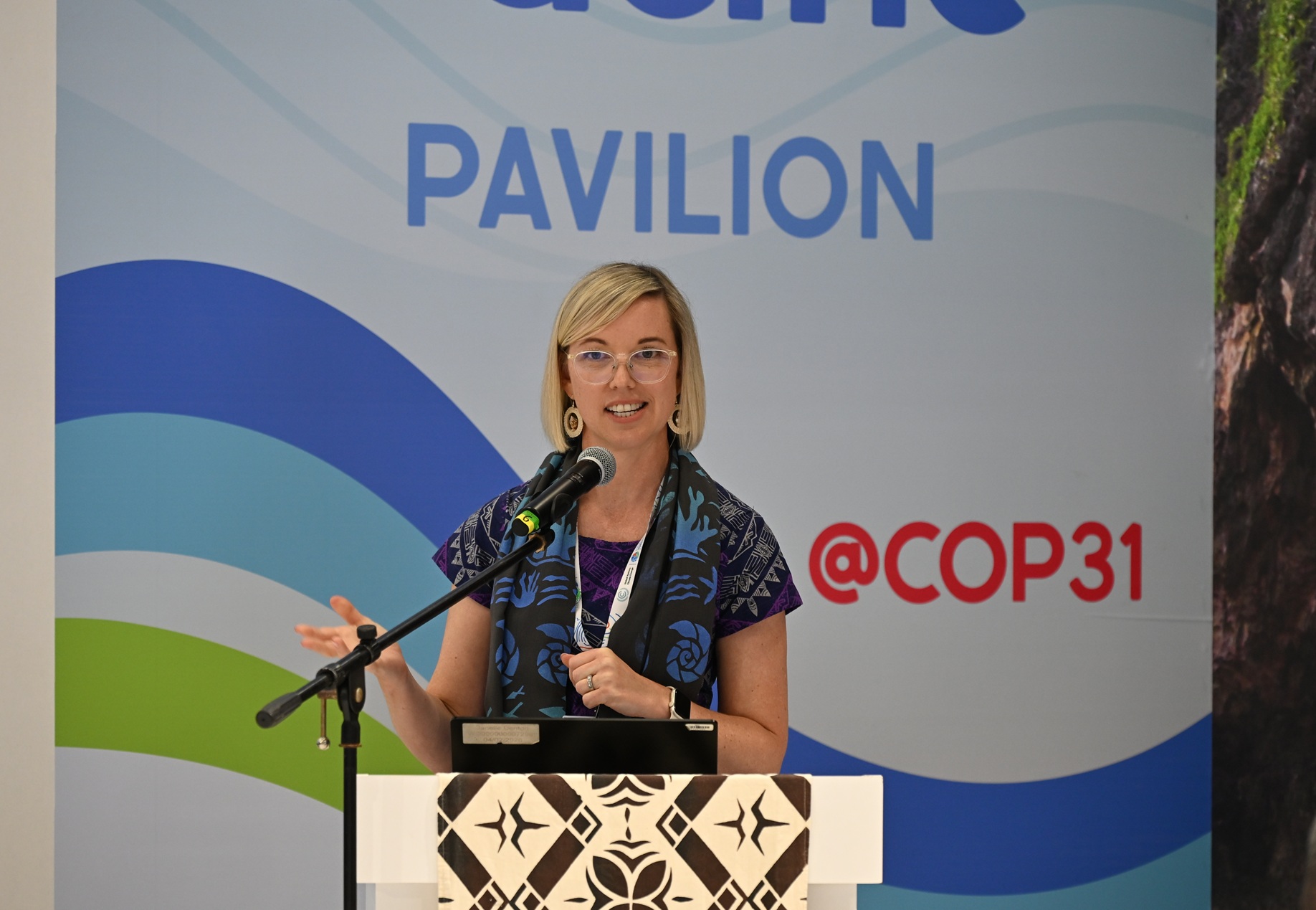
Reflecting on COSPPac's progress and Australia's long-standing commitment to the region, Ms Janelle Denton, Director of Pacific Climate Change at the Australian Department of Foreign Affairs and Trade (DFAT), reaffirmed the importance of working alongside Pacific countries to address the impacts of climate change.
“Climate change is the single greatest threat to Pacific Island peoples and Australia recognises our responsibility to work alongside the Pacific nations, as our closest neighbours and closest friends, as they respond to the impacts of climate change… [Australia’s] objective is not simply to provide information, it's to provide the capability, to ensure vulnerable communities need not only to receive information, but to trust it and understand.”
Director of Tonga Meteorological Services, Mr Laitia Fifita, emphasised that the programme's legacy extends beyond technical investment, with strengthened capabilities now firmly embedded within national services and led by Pacific professionals.
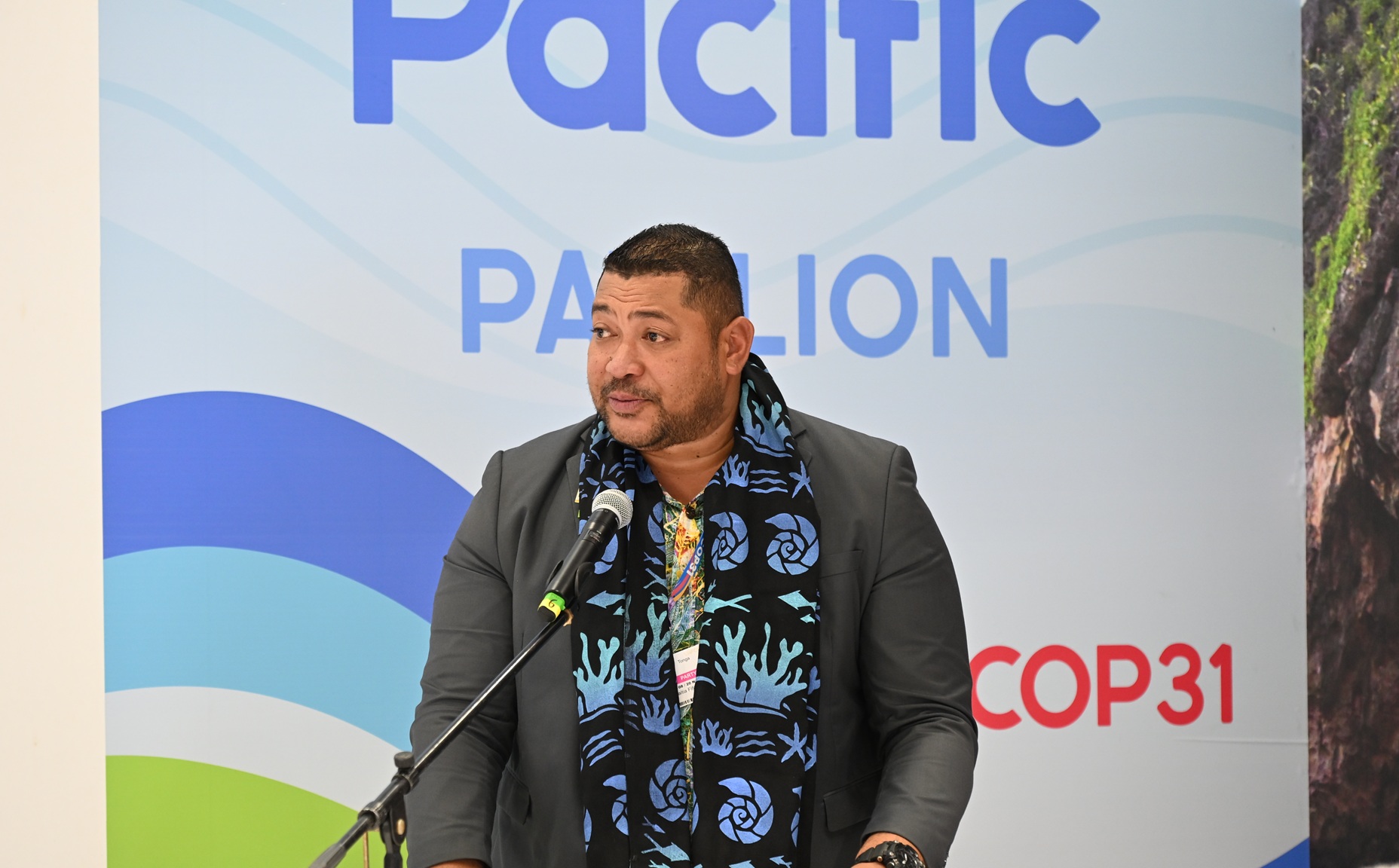
“For Tonga and other pacific island countries, COSPPac has been far more than a technical programme. It has been a trusted partnership that has strengthened our national capabilities, empowered our climatologists, improved services for communities, and supported government decision-making during some of our most challenging times. Whether responding to drought, planning for climate risks, or strengthening resilience through innovative financing mechanisms, the benefits of this partnership have been both practical and transformation.”
Moderating the event, Mr Salesa Nihmei, Director of SPREP's Climate Science and Information Programme, emphasised the importance of sustaining the progress made through regional partnerships and continued investment.
“The Pacific has shown what is possible when investment is sustained and leadership sits with Pacific people. As climate risks grow, our task is to protect these gains and build on them together, so that every community is weather ready and climate resilient.”
The event, held on 10 November, 2026, formed part of the Pacific's programme of engagement at the Moana Blue Pacific Pavilion during COP31, highlighting the region's leadership in climate and ocean services and its shared vision for a resilient Blue Pacific.
The 31st Conference of the Parties (COP31) to the UN Framework Convention on Climate Change (UNFCCC) is taking place from 9-20 November 2026 in Antalya, Türkiye.
The Pacific Islands Parties to the UNFCCC are Cook Islands, Federated States of Micronesia, Fiji, Kiribati, Republic of Marshall Islands, Republic of Naoero, Niue, Palau, Papua New Guinea, Samoa, Solomon Islands, Tonga, Tuvalu and Vanuatu.
For further information on the Pacific at COP31 please visit: www.sprep.org/cop31
- Log in to post comments