Weather Ready Pacific expands Early Warning training across Kiribati, Niue and PNG
27 May 2026, Alofi – The Pacific’s efforts to strengthen early warning systems and climate resilience continue to gather momentum across the region, namely in Kiribati, Niue and Papua New Guinea.
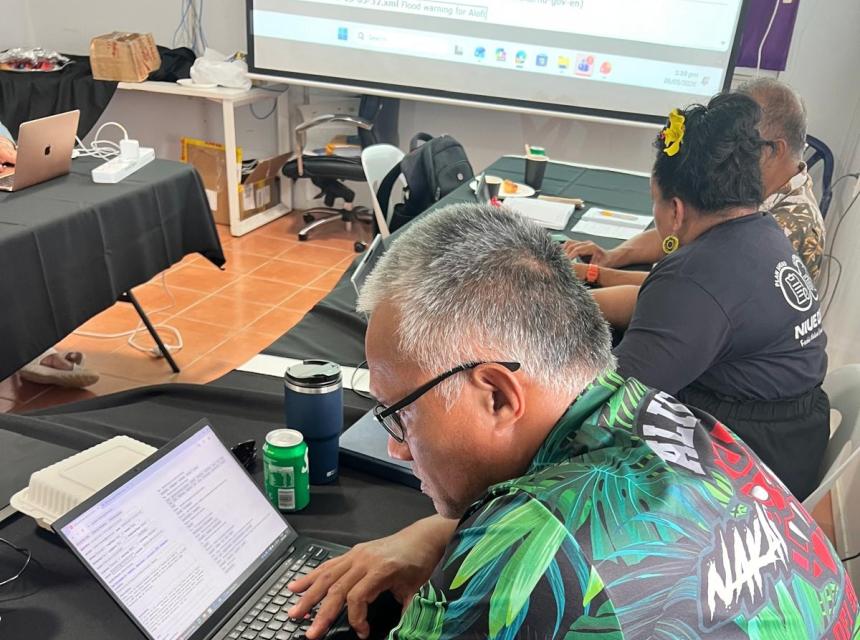
It follows the completion of the Weather Ready Pacific (WRP) Programme specialised Common Alerting Protocol (CAP) training. CAP is a globally recognised standard and messaging format that enables faster, clearer and more coordinated emergency warnings across multiple communication channels simultaneously.
CAP alerts can be geographically targeted and support the inclusion of maps, images, audio and multilingual messaging to improve accessibility and ensure communities receive timely and actionable information during hazardous events.
Ms. Tarateima Tewareka, Principal Disability Inclusion Officer, Ministry of Women, Youth, Sports and Social Affairs, applauded the training.
"At the beginning, I was not familiar with the CAP system but I now have a much better understanding of its concepts and how it works,” she said. “I have learned how CAP alerts are developed to issue timely warning messages for different types of disasters, how different hazards can impact communities, and how important it is to design warning messages that are clear, accessible, and responsive to the needs of all people, including persons with disabilities and other vulnerable groups.”
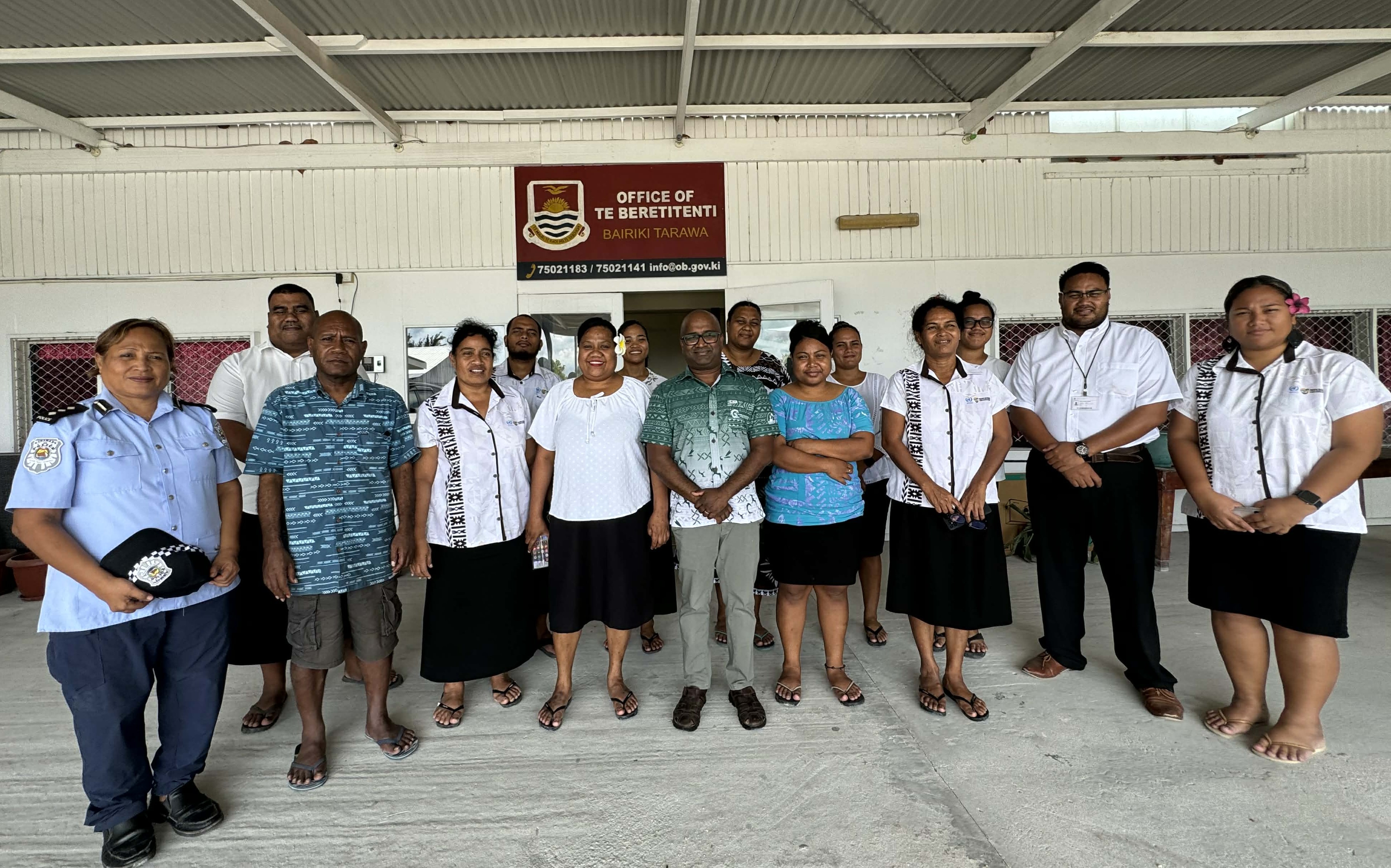
The trainings form part of Weather Ready Pacific’s broader mission to improve the Pacific region’s ability to protect lives, livelihoods and economies from increasingly frequent and severe weather and climate hazards through stronger, more coordinated early warning systems.
The initiative is being implemented by the Secretariat of the Pacific Regional Environment Programme (SPREP) in partnership with the New Zealand Meteorological Service (MetService) and the World Meteorological Organization (WMO).
The training build on earlier successful workshops delivered in the Federated States of Micronesia (FSM) and the Republic of the Marshall Islands (RMI), where participating agencies strengthened their operational readiness and CAP capabilities.
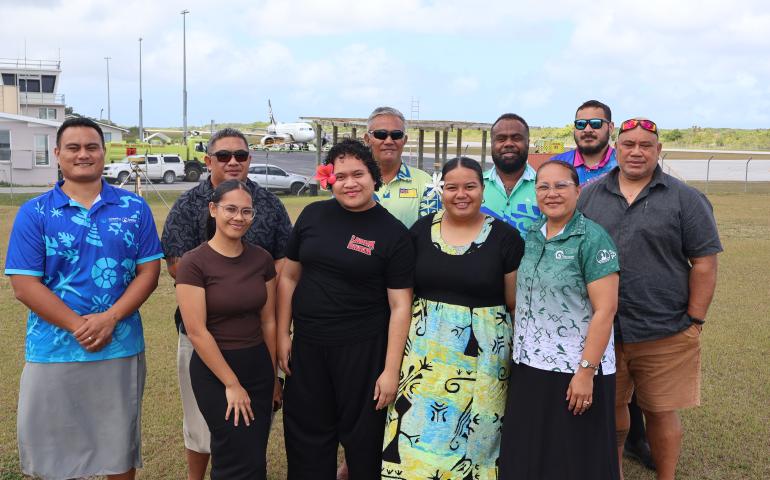
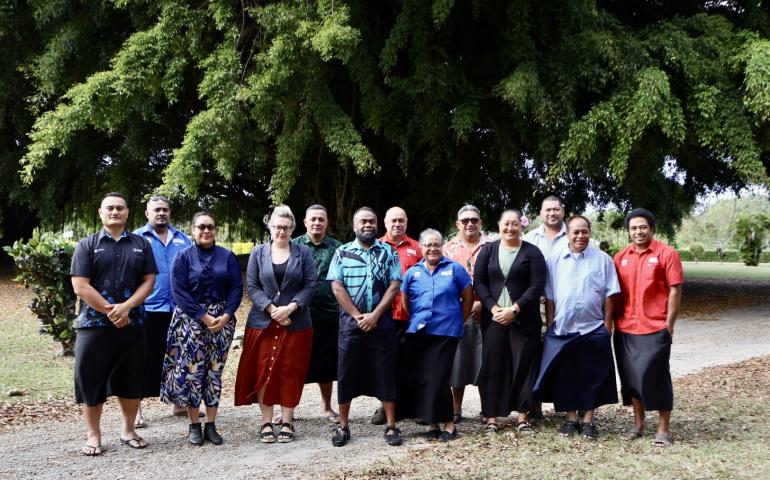
The trainings were facilitated by New Zealand Meteorological Service Pacific Meteorology Lead, Mr. Raveen Das, in coordination with WMO and national meteorological and disaster management agencies. Participants include representatives from National Meteorological and Hydrological Services, National Disaster Management Offices, humanitarian partners, Red Cross and Red Crescent societies, communications stakeholders and other authorised hazard alerting agencies.
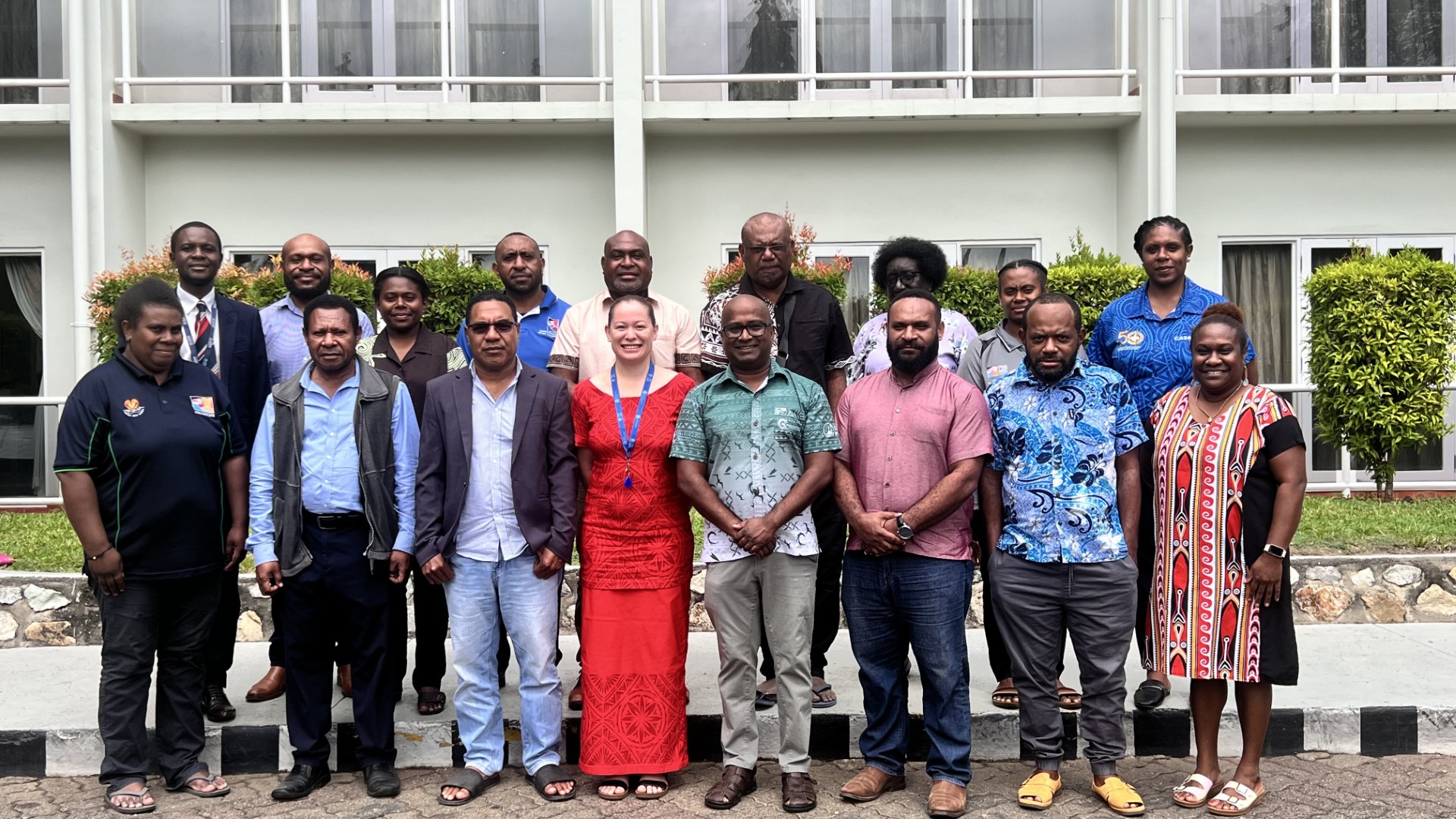
“It was very encouraging to see strong participation from agencies across the region and to witness growing recognition of the potential of the Common Alerting Protocol in strengthening multi-hazard early warning systems for both natural and human-induced hazards,” said Mr Raveen Daas, New Zealand Met Service’s Pacific Meteorology Lead.
“During the training, CAP alerts were issued not only for hydrometeorological hazards, but also for hazards such as oil spills, power outages, missing children, and aircraft accidents, demonstrating the flexibility and wide applicability of the CAP framework.”
A key focus of the training was ensuring warning systems are inclusive and accessible, particularly for remote and vulnerable communities that are often disproportionately affected by weather and climate hazards. Sessions cover alerting fundamentals, operational procedures, impact-based forecasting and approaches for adapting global standards to Pacific contexts.
"Pacific communities are on the frontlines of climate change, and they deserve warning systems that actually reach them in time, in their language, and leaving no one behind,” said Mr Ofa Fa'anunu, Weather Ready Pacific Programme Manager, SPREP.
“That's exactly what Weather Ready Pacific is built to do: close the gap between global tools like CAP and the people who need them most.”
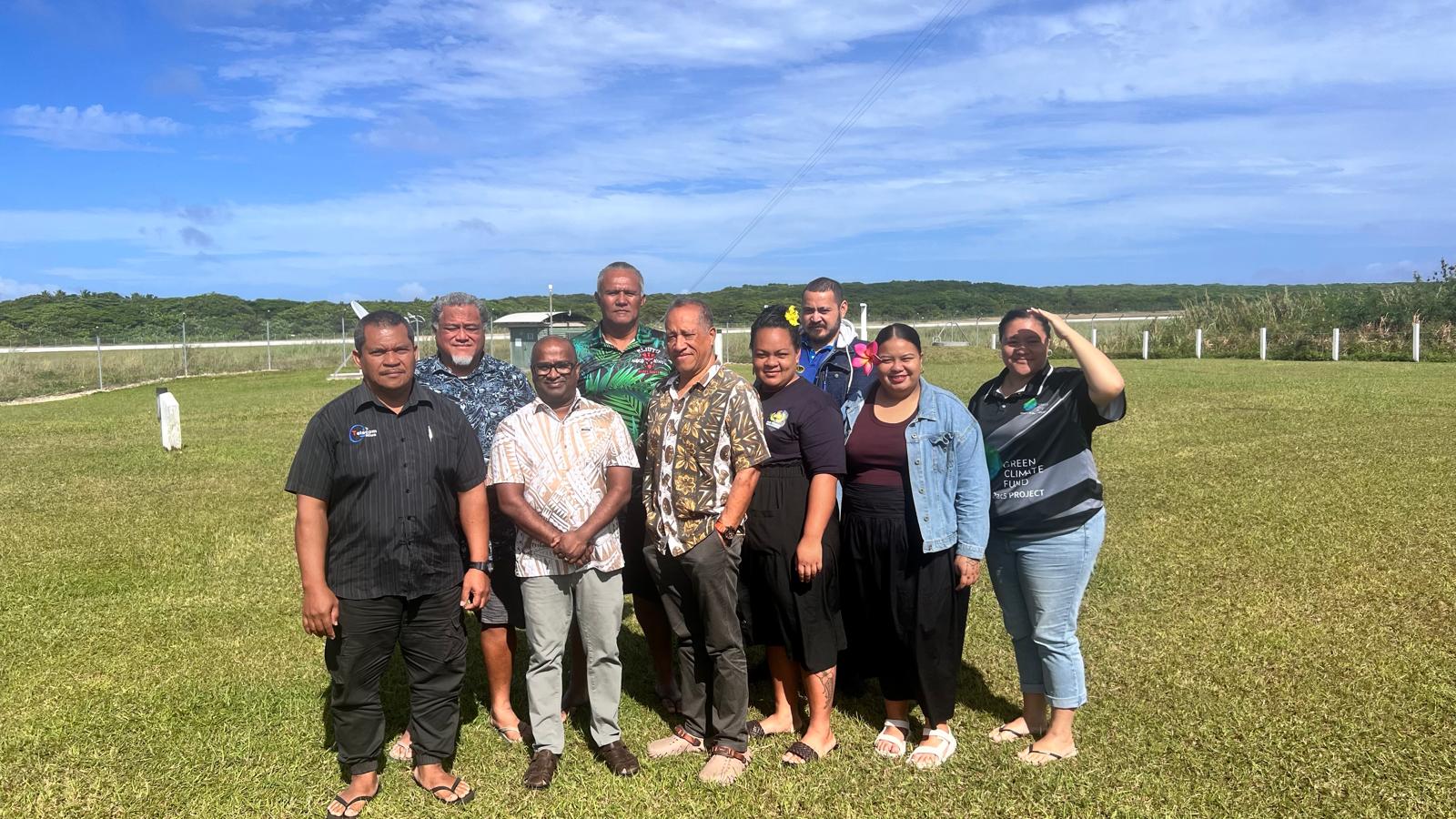
As climate-related hazards continue to intensify across the Pacific, strengthening early warning systems remains a critical investment in disaster preparedness, resilience and sustainable development.
By supporting countries to strengthen their alerting systems and coordination mechanisms, Weather Ready Pacific is helping Pacific communities better anticipate and respond to hazards while advancing the global Early Warnings for All initiative.
Five countries have now completed this significant milestone, and are now operational with CAP capability.
About Weather Ready Pacific
The WRP Programme is a Pacific-led, Pacific-owned decadal Programme of Investment endorsed by Pacific Leaders. Implemented by the Secretariat of the Pacific Regional Environment Programme (SPREP), WRP aims to reduce the human and economic costs of severe weather, water, and ocean events across Pacific Island communities by strengthening National Meteorological and Hydrological Services and their partnerships with National Disaster Management Offices. Since 2023, WRP is designated the primary regional vehicle for delivering the United Nations Secretary-General's Early Warnings for All (EW4All) initiative in the Pacific. The programme is supported by the Governments of Australia, New Zealand, and the United Kingdom.
For more information, please contact:
Mr ‘Ofa Fa’anunu, Manager, WRP Programme - [email protected]
Ms Angelica Salele-Sefo, Communications & Knowledge Management Officer, WRPP - [email protected]
- Log in to post comments