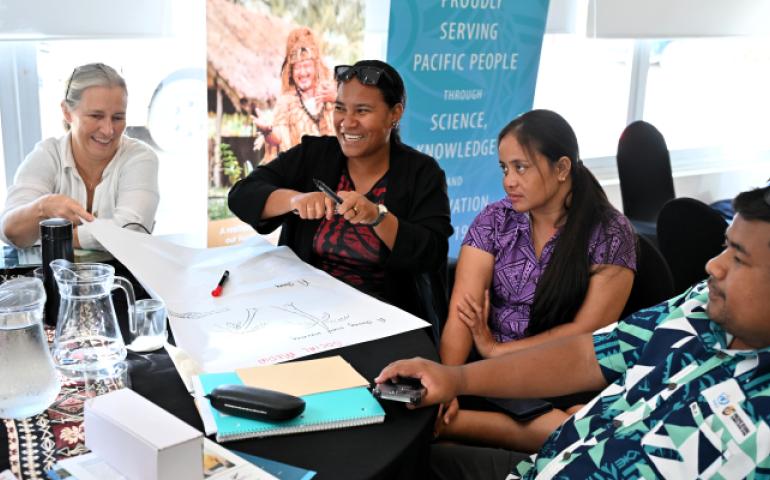
  • Niue CAP Training in action
    Weather Ready Pacific expands Early Warning training across Kiribati, Niue and PNG

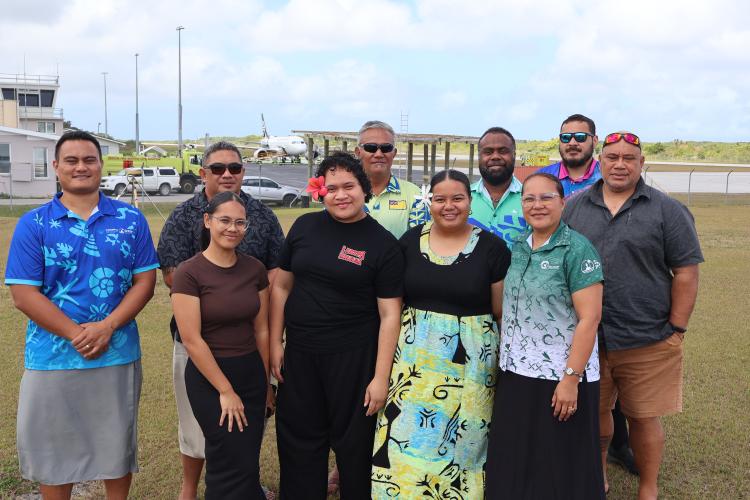
    27 May 2026, Alofi – The Pacific’s efforts to strengthen early warning systems and climate resilience continue to gather momentum across the region, namely in Kiribati, Niue and Papua New Guinea.

    It follows the completion of the Weather Ready Pacific (WRP) Programme specialised Common Alerting Protocol (CAP) training. CAP is a globally recognised standard and messaging format that enables faster, clearer and more coordinated emergency warnings across multiple communication channels simultaneously. 

  • PIMS Review ClimSA
    PACIFIC LEADERS CHART A NEW COURSE FOR WEATHER, CLIMATE AND OCEAN SERVICES AT LANDMARK HONIARA WORKSHOP

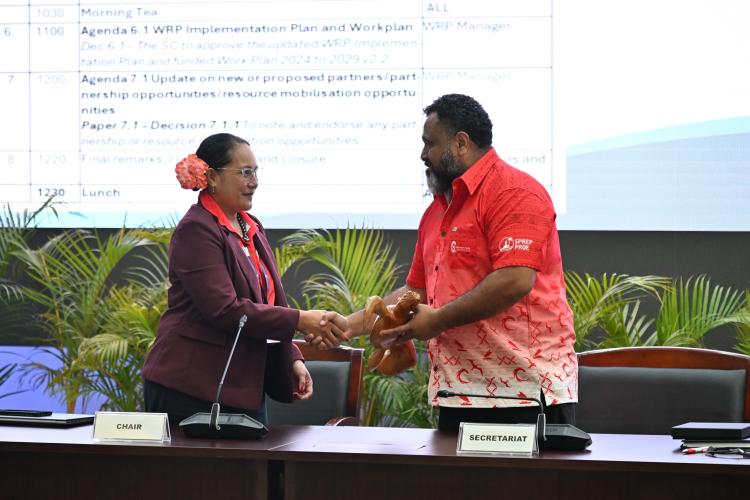
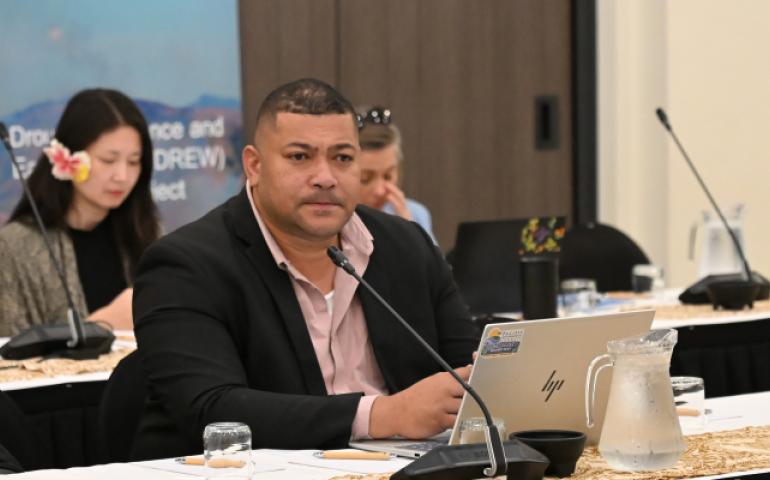
    Directors of National Meteorological and Hydrological Services (NMHSs) from across the Pacific have converged on Honiara this week for a landmark workshop to review the Pacific Islands Meteorological Strategy (PIMS) 2017–2026 and begin drafting the region’s successor strategy through to 2036.

  • Tonga Meteorological Service is installing Starlink satellites
    Weather Ready Pacific brings life saving connectivity to vulnerable communities in ʻEua

    17 May 2026, 'Eua – The Tonga Meteorological Service is installing Starlink satellite internet systems at strategic community centres and the Meteorology Office on the island of ʿEua, as part of the Weather Ready Pacific (WRP) Programme’s support to Pacific National Meteorological and Hydrological Services (NMHSs). The installations, happening in May, are designed to strengthen weather forecasting and early warning services for village communities, ensuring that life-saving information reaches the people who need it most. 

  • Action shot 3
    Pacific Climate Officers Learn to Code their own National Forecasts

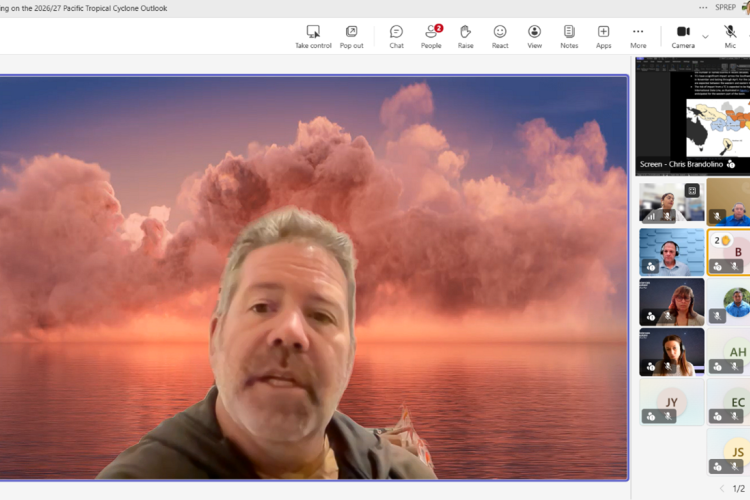
    Most National Meteorological and Hydrological Services (NMHSs) in the Pacific still depend on proprietary “black box” software to generate the climate products their countries rely on. The tools work, but the people using them can’t see inside them, can’t adapt them, and can’t fix them when something breaks. If that one staff member who knows how to run a critical script leaves, the climate product stops being produced.  When this happens, the bulletin does not go out to those who rely on them, and the seasonal outlook doesn’t get updated.

  • Ulu O Tokelau NCOF Participants during Welcome Performance
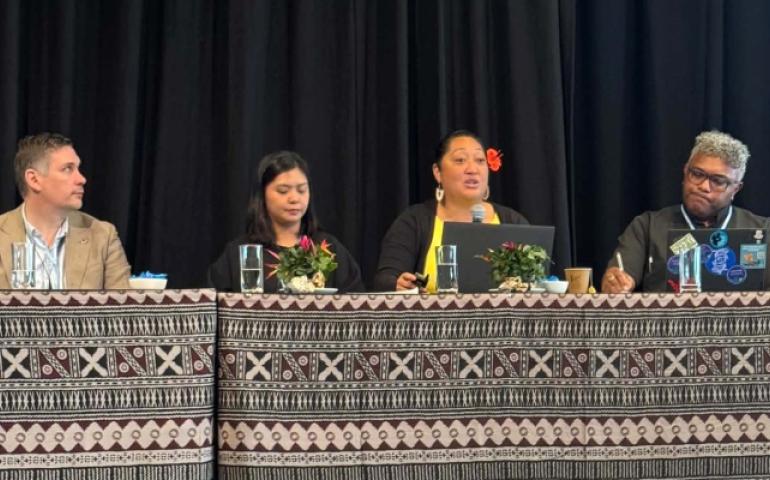
    A milestone for Tokelau – First National Climate Outlook Forum Convened

    Atafu, Tokelau – History was made in Tokelau this month as the island atoll held its very first National Climate Outlook Forum (NCOF). This brought together experts and stakeholders to develop weather and climate forecasts for communities so they can best prepare.